A1 Winter Park Locksmiths Service Team
Local locksmith team
May 8, 2026 14 min read
If your storefront sits on Park Avenue — or anywhere along the bustling commercial corridors of Winter Park, FL — the locks on your doors are doing far more work than most business owners realize. They're the first line of defense against after-hours break-ins, the mechanism that controls which employees can access which areas, and the paperwork trail (or lack thereof) that can make or break a tenant dispute. Yet most business owners only think about their locks when something goes wrong. This checklist is designed to change that.
Whether you're opening a new retail space near the Morse Museum, taking over a suite in a mixed-use building off Fairbanks Avenue, or managing a multi-tenant property where turnover is constant, the right commercial locksmith strategy isn't complicated — but it does require a plan. Below you'll find practical guidance on storefront lock types, master key systems, mortise lock selection, and what to do when a tenant leaves. Read it once, apply it, and you'll spend far less time dealing with lock emergencies down the road.
## Why Most Storefront Locks Are Already Under-Specified (And What to Do About It)
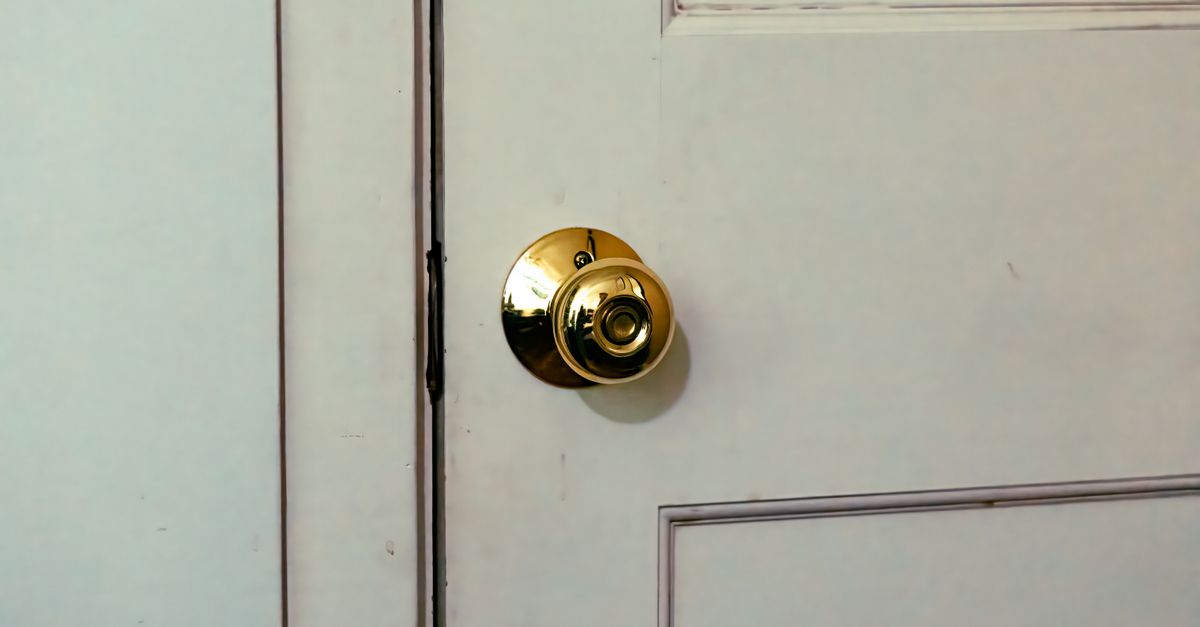
Walk into almost any small commercial space in Winter Park and you'll find a standard cylindrical door knob lock or a basic deadbolt — the same hardware you'd see on a residential front door. That's a problem. Commercial doors take a beating: multiple staff members cycling in and out, delivery drivers propping doors open, and far higher foot traffic than any home. Residential-grade hardware simply isn't built for that load cycle. Within a year or two, the mechanism wears down, the latch starts to stick, and the security rating — never high to begin with — drops further. The fix isn't expensive, but it does require knowing what to specify.
The step up from a residential cylindrical lock is a commercial-grade mortise lock. A mortise lock is a complete lockset that fits into a deep pocket (the mortise) cut into the edge of the door. Unlike a surface-mounted cylindrical lock, a mortise lock integrates the latch bolt, the deadbolt, and often the strike plate reinforcement into a single, heavy-duty unit. Brands like Schlage and other commercial-grade manufacturers make mortise lock bodies rated for millions of cycles. For Park Avenue storefronts — where the door may swing open 200 or more times a day — this is the hardware baseline you should be working from, not the exception.
## Commercial Lock Installation: Building a System That Grows With Your Business
A single high-quality mortise lock on the front door is a good start, but a real commercial lock installation service goes further. Think in layers: the primary entry door, any secondary or service entrance, interior access doors to stockrooms or server closets, and the master key architecture that ties it all together. Getting this right from the beginning — rather than bolting on pieces as problems arise — saves money and headaches. A commercial locksmith can survey your space and recommend a keying system where, for example, a manager's key opens every door, a shift-lead key opens the sales floor and break room but not the back office, and a cleaning-crew key opens common areas only.
This is called a master key system, and it's one of the most practical commercial locksmith services available to Winter Park business owners. Every lock in the system is keyed to accept its own individual key AND the master key — but individual keys do not work in each other's locks. You can expand the system as you add doors or locations, and you can re-key individual cylinders without disturbing the rest of the hierarchy. For multi-tenant buildings near the Hannibal Square district or along Orange Avenue, a grandmaster key system lets the property owner hold one key that opens everything, while each tenant's staff holds keys that open only their suite. It is a straightforward concept that most business owners wish they had implemented on day one.
## Tenant Turnover Rekeys and Commercial Lock Changes: Do This Every Time, No Exceptions
Here is a scenario that plays out constantly in Winter Park commercial real estate: a tenant's lease ends, they return the keys, and the landlord re-rents the space without changing the locks. It feels like a non-issue until a former employee — who had a key copied months ago — walks in after hours. A commercial lock change does not necessarily mean replacing the entire lockset. In most cases, a qualified locksmith can rekey the existing cylinders: the internal pins are reconfigured so the old keys no longer work and a new set of keys is cut. It takes far less time than a full hardware replacement and costs a fraction of what a break-in would.
The rule of thumb is simple: rekey on every tenant turnover, every time an employee with key access leaves under less-than-ideal circumstances, and any time you cannot account for all outstanding key copies. If your current hardware is a mortise lock system in good condition, rekeying is fast. If your hardware is worn, a tenant turnover is actually the ideal moment to upgrade — the space is empty, the door is accessible, and you can specify new hardware without disrupting a live business. Our team handles commercial lock changes throughout the Winter Park area, including same-day service for properties between Lakemont Avenue and the I-4 corridor. If you need a same-day rekey after a tenant moves out, call 407) 904-6794 and we'll get a technician to your property.
## Emergency Commercial Locksmith Situations: What Counts and How to Handle Them
Not every lock issue is an emergency — but some genuinely are, and knowing the difference helps you respond without panic. A true emergency commercial locksmith call involves one of the following: the business cannot open because a key broke in the lock or the lock mechanism failed overnight; a security incident occurred and the locks must be changed before the next business day; or a forced-entry attempt damaged the door hardware and the premises are no longer secure. In these situations, waiting until morning or until a weekday is not a reasonable option, and that is exactly why 24/7 mobile commercial locksmith service exists.
For non-urgent situations — a sticky lock, a key that's getting hard to turn, a mortise lock that's starting to feel loose — schedule a daytime visit and have the hardware inspected before it becomes a failure. Prevention is always the better outcome. That said, if you're standing in front of your Park Avenue shop at 6 a.m. before the breakfast crowd arrives and the lock won't turn, that is not the moment to troubleshoot. Verify that no other entrance is accessible, check whether a manager or co-owner has a spare key nearby, and if neither option resolves it, call a professional immediately. Attempting to force a commercial door lock can damage the door frame, the mortise lock body, or both — repairs to a solid-core commercial door are far more involved than the original locksmith call would have been.
## Your 25-Point Commercial Lock Checklist for Winter Park Storefronts
Use this list as an annual review or any time you take over a new commercial space. Completing it once — systematically — puts you well ahead of most business owners in the area. The 25 points cover hardware, access control, key management, and emergency preparedness: (1) Confirm all entry doors have commercial-grade mortise lock hardware, not residential cylindrical locks. (2) Verify deadbolt throw length meets local commercial code minimums. (3) Inspect strike plate — it should be heavy-gauge steel with screws reaching the door frame stud, not just the jamb. (4) Check mortise lock body for wear, wobble, or stiff operation. (5) Confirm all door hinges are pinned or use security studs to prevent hinge removal. (6) Test that the door frame itself is solid — a compromised frame defeats even the best mortise lock. (7) Review your current keying hierarchy: who holds which key, and why. (8) Confirm you have a written record of every key copy issued and to whom. (9) Verify no unauthorized key copies have been made (consider keys stamped 'Do Not Duplicate' on restricted keyways). (10) Rekey any lock where key accountability has been lost. (11) For multi-tenant buildings, confirm each suite's cylinder is independent of neighboring suites. (12) Test the master key system — every level of the hierarchy — at least twice a year. (13) Inspect door knob lock or lever sets on interior doors for appropriate grade rating. (14) Ensure the back door and service entrance have hardware equal to the front — break-ins rarely use the front door. (15) Check any sliding doors or roll-up gates for compatible locking hardware. (16) Review camera or alarm integration points near each lock — are blind spots covering entry points? (17) Confirm you have an emergency contact procedure for after-hours lock failures. (18) Store at least one spare key with a trusted manager off-site — not in the building. (19) Inspect weatherstripping around door edges; gaps affect both security and lock alignment. (20) Test electronic or keypad entry systems monthly if installed alongside mechanical locks. (21) After any break-in attempt — even an unsuccessful one — have the hardware professionally inspected before assuming it is still secure. (22) Before each lease renewal or new tenant move-in, schedule a commercial lock change or rekey service. (23) Ask your locksmith about restricted keyway systems if key duplication control is a priority. (24) Verify your building's exit device (panic bar) on emergency egress doors is functioning and code-compliant. (25) Keep the phone number of a 24/7 commercial locksmith in your phone — not just on a sticky note in the office.
These 25 items are not bureaucratic box-checking. Each one corresponds to a real scenario where a Winter Park business owner paid far more to fix a problem than they would have paid to prevent it. The mortise lock inspection items alone (points 1, 4, and 6) catch the majority of hardware failures before they become emergency calls. Work through the list with a walkthrough of your space — it takes less than an hour and gives you a clear picture of where your vulnerabilities are.
## Factors That Affect Your Commercial Locksmith Service Quote
One of the most common questions we hear from business owners is some version of: 'What will this cost?' It is a fair question, and we will always give you a specific, confirmed price before any work begins — no surprises on the invoice. That said, the factors that shape a commercial locksmith services quote are worth understanding so you can have a productive conversation with any technician. The main variables are: the type and grade of hardware being installed or rekeyed (a basic rekey on a standard cylinder is a different scope than sourcing and installing a commercial mortise lock body from a specific manufacturer), the number of doors included, the time of day and day of week for the service call, travel distance to your location within the Winter Park service area, and whether any specialty parts need to be sourced. Emergency commercial locksmith calls made outside normal business hours reflect the cost of maintaining 24/7 availability, which is a real operational expense — and one that is worth every penny when your business is exposed at 2 a.m.
What you should never encounter is a technician who quotes one price over the phone and presents a different invoice at the end. Our process is to assess the situation on-site, confirm the exact scope and price with you before picking up a single tool, and then complete the work. If the scope changes — say, we discover the door frame damage is more extensive than it appeared — we tell you before proceeding, not after. That is the standard you should hold any commercial locksmith to, and it is the standard we hold ourselves to on every call throughout Winter Park and the surrounding areas.
## A Note on Locksmith Credentials and What to Look for in Winter Park, FL
Florida does not have a statewide licensing requirement specifically for locksmiths the way some states do, which means the barrier to calling yourself a locksmith is lower here than elsewhere. That makes it more important — not less — to pay attention to other indicators of professionalism. Look for a mobile locksmith that is insured, has verifiable experience with commercial lock installation and mortise lock systems specifically, and can provide a clear written quote before beginning work. Ask how long the technician has been working on commercial hardware. A trained locksmith who regularly services commercial properties in Winter Park will be able to speak specifically to door prep requirements, keyway restrictions, and master key architecture — not just 'I can change your locks.' Our team at A1 Winter Park Locksmiths is experienced in the full range of commercial lock work, from straightforward rekeys to multi-door mortise lock installations, and we are available around the clock. Call 407) 904-6794 any time — day or night — and a real person will answer.
Frequently asked questions
Do locksmiths need a license in Florida?+
Florida does not currently have a statewide licensing law that applies specifically to locksmiths. This is different from states that require locksmiths to pass an exam, carry a state-issued license, and submit to background checks as a condition of operating. In Florida, the practical implication is that you should look for other indicators of competence and accountability: proof that the company is insured, a verifiable track record of commercial lock work, and a willingness to provide a confirmed price in writing before starting any job. Our team at A1 Winter Park Locksmiths is insured and experienced across the full range of commercial locksmith services, and we are transparent about credentials on every call.
How much does an emergency locksmith cost near me?+
The cost of an emergency commercial locksmith call depends on several factors: the time of day (after-hours and weekend calls reflect the cost of round-the-clock availability), the type of hardware involved (rekeying an existing cylinder is a different scope than sourcing and installing a replacement mortise lock body), travel distance to your location, and whether any specialty parts are needed. We do not quote a single flat rate for emergency calls because the honest answer varies by situation — but what we always do is assess on-site and give you a confirmed, exact price before any work begins. There are no hidden fees added after the fact. To get a clear number for your specific situation, call 407) 904-6794 and we can walk through the details with you immediately.
What is a locksmith call-out fee?+
A call-out fee — sometimes called a service call fee or dispatch fee — is a charge that covers the cost of sending a technician to your location, separate from the cost of whatever lock work is performed. Not every locksmith structures their pricing this way; some roll travel and assessment into an all-in quote, while others itemize it separately. When you call A1 Winter Park Locksmiths, we will explain exactly how the pricing is structured for your specific call before committing you to anything. The key thing to know is that you should always receive a clear breakdown before work begins — if a technician refuses to confirm a price upfront, that is a meaningful red flag.
Is Winter Park, FL a good place to operate a business?+
Winter Park is one of the stronger small-city commercial environments in Central Florida. Park Avenue is a nationally recognized retail corridor, the city has a high median household income relative to the region, and the mix of independent retailers, restaurants, service businesses, and professional offices creates steady commercial activity year-round. The proximity to the Rollins College campus and well-established neighborhoods like Windsong and Vias bring consistent local foot traffic. For commercial property owners and tenants, that desirability also means security matters: a well-trafficked storefront is also a more attractive target after hours, which is exactly why investing in proper commercial lock installation and a solid rekeying schedule is worth treating as a baseline operating expense, not a luxury.