A1 Winter Park Locksmiths Service Team
Local locksmith team
Sep 11, 2026 9 min read
If you have ever stood at your front door in Winter Park and wondered whether that standard door knob lock is actually doing its job, you are not alone. It is one of the most common questions homeowners ask — and the honest answer is that not all locks are created equal. The difference between a mortise lock and a knob lock goes far beyond looks: it comes down to how the hardware is built into your door, how much force it can resist, and what it would take for someone to defeat it.
This guide breaks down both lock types in plain language — no jargon, no sales pitch — so you can make a smarter decision about the security on your home or business door. Whether you are upgrading after a break-in scare near Hannibal Square, replacing aging hardware on a Park Avenue bungalow, or just doing your homework before calling a locksmith, this is the comparison you need.
## What Is a Mortise Lock — and Why Does the Design Matter?
A mortise lock gets its name from the cavity — the mortise — that is chiseled directly into the body of the door. The entire lock mechanism sits inside that pocket, which means the hardware is protected by the door itself rather than sitting exposed on its surface. A complete mortise lock set typically includes a lock body, a separate deadbolt, a latch, a strike plate, and a trim set (the handles and escutcheon plate). All of those parts work together as a single integrated unit.
Because the mechanism is recessed and the metal body of the lock fills most of the door's edge, there is very little exposed hardware for an intruder to attack. Mortise locks are standard on commercial doors in the Winter Park area for exactly this reason — they are built to handle constant use and deliberate force. They are also common on older Florida homes, many of which were built with solid wood doors that are thick enough to accommodate a mortise pocket without weakening the door structure.
## Door Knob Lock Basics: Convenient, But Know the Limits
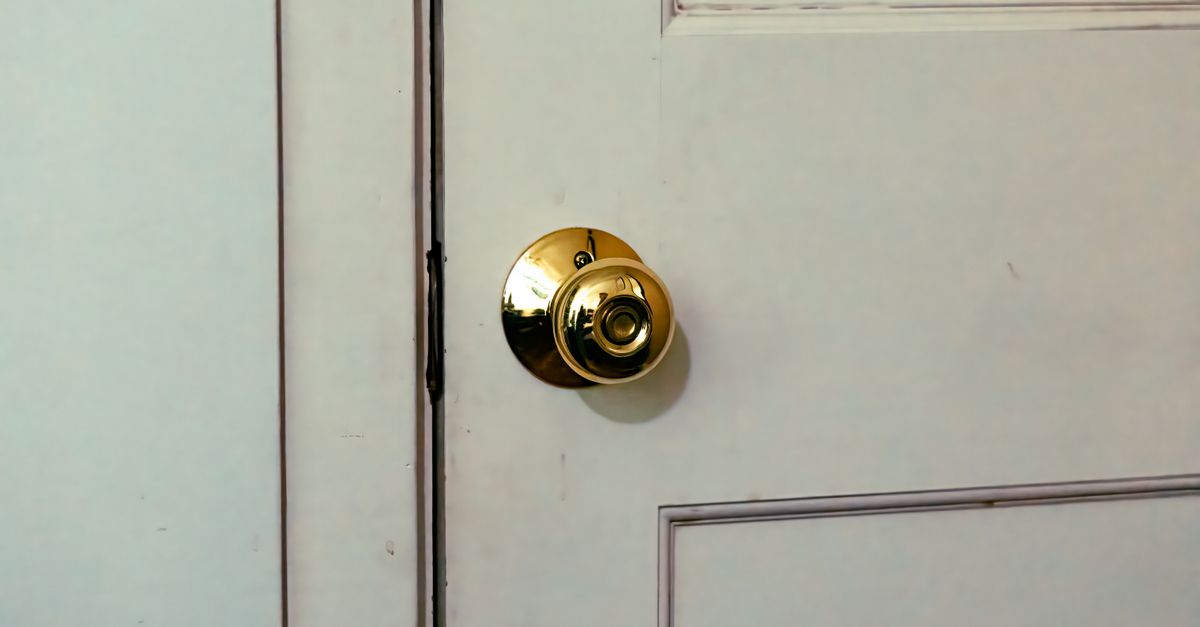
A door knob lock — sometimes called a knob lock or a cylindrical lock — works completely differently. The locking mechanism sits inside the knob itself and passes through a bored hole in the door. Installation is fast and the hardware is inexpensive to manufacture, which is why you will find a door knob with lock on virtually every residential interior door and on many exterior doors across Central Florida.
The trade-off is structural. Because the mechanism lives in the knob and the knob protrudes from the door, it creates a leverage point. A strong kick near the knob can split the strike plate away from a soft wooden jamb. Some knob lock cylinders can also be manipulated more easily than a mortise cylinder — a fact that is worth understanding even if you never want to know the technical specifics of how to pick a door knob lock. The short version: the design itself is the vulnerability, not just the cylinder quality. A door knob with lock and key is a reasonable secondary layer of security, but on its own it should rarely be your only line of defense on an exterior door.
## Head-to-Head: Strength, Longevity, and Real-World Security
Strength is where the mortise lock pulls ahead most clearly. Its bolt and latch mechanisms are larger and made of heavier-gauge metal. The escutcheon plate distributes force across a wider section of the door edge. And because the lock body is embedded rather than surface-mounted, there is no protruding hardware to grab, pry, or strike. In forced-entry resistance tests, a properly installed mortise lock set on a solid door with a reinforced strike plate is significantly harder to defeat than a standard knob lock on the same door.
Longevity is another practical consideration. Mortise locks — particularly commercial-grade units from established hardware manufacturers — are designed for hundreds of thousands of cycles. A quality knob lock will serve a residential interior door for many years, but on a high-traffic exterior door it can wear down faster, especially in Florida's humidity and heat. When you factor in replacement frequency, the upfront investment in a mortise lock often makes sense over a 10-to-15-year horizon. If you are unsure which type is right for your specific door, our team at A1 Winter Park Locksmiths can assess the door, the frame, and the existing hardware and give you a clear recommendation before any work begins. Call 407) 904-6794 — we answer 24/7 and can come to you anywhere in the Winter Park area.
## When Each Lock Type Actually Makes Sense for Your Door
Mortise locks make the most sense on exterior entry doors — especially on solid wood or fiberglass doors that are thick enough to accept a mortise pocket (typically 1¾ inches or thicker). They are the right call for front doors in neighborhoods like Windsong or along Lakemont Avenue where homes are primary residences with valuable contents. They are also the standard choice for any commercial locksmith work on office entries, retail storefronts, and multi-unit building doors throughout Orange County.
A door knob lock is still a practical choice for interior doors — bedrooms, bathrooms, home offices — where the goal is privacy rather than security. On exterior doors, a knob lock functions best as part of a layered approach: paired with a deadbolt above it, installed on a door with a reinforced metal strike plate and long screws that reach the wall stud (not just the jamb). If you have an older home in Winter Park with the original knob hardware, upgrading the strike plate hardware alone can make a meaningful difference while you plan a fuller lock upgrade.
## Emergency Locksmith Situations: What to Do When a Lock Fails
A lock failure — whether a mortise lock body that has seized, a knob lock cylinder that has stopped turning, or a door that will not latch properly — can leave you locked out or locked in at the worst possible time. Before you try anything drastic, check for a spare key with a trusted neighbor or family member, or see whether another entry point to your home is accessible with proof of ownership in hand. Do not attempt to force or bypass the lock yourself; damaged hardware usually costs more to repair than a standard lockout call, and there is a real risk of damaging the door jamb or the lock body beyond repair.
Emergency locksmith calls in Winter Park most commonly come down to a handful of situations: broken keys extracted from mortise lock cylinders, worn knob locks that no longer retract the latch, and lockouts after a key is lost or left inside. The factors that shape the final cost of any emergency call — including after-hours situations — include the type of lock, the complexity of the work, travel distance, and whether replacement parts are needed. We always confirm an exact price up front before we begin any work, so there are no surprises when the job is done. For any lock emergency in Winter Park, FL, call 407) 904-6794 and we will dispatch a trained locksmith to your location around the clock.
## Our Locksmith Services: More Than Just Lock Changes
A1 Winter Park Locksmiths is a 24/7 mobile locksmith serving Winter Park and the surrounding areas. Our trained and insured team handles a wide range of residential, commercial, and automotive locksmith needs, including: residential lockout service, commercial lockout service, automotive lockout service, mortise lock installation, mortise lock repair, mortise lock rekeying, knob lock installation and replacement, deadbolt installation and upgrade, high-security lock upgrades, master key system design and installation, lock rekeying for all lock types, broken key extraction, door hardware installation, strike plate reinforcement, door frame repair after forced entry, access control system installation, keypad and smart lock installation, transponder key programming, car key replacement, ignition repair and replacement, lost key replacement for vehicles, key duplication, safe opening and combination changes, mailbox lock replacement, and after-hours emergency locksmith response for both residential and commercial properties. Whether you need a single knob lock swapped out or a full commercial lock overhaul, we handle the complete job from assessment to hardware installation.
Frequently asked questions
What is a mortise lock and is it worth the upgrade from a standard knob lock?+
A mortise lock is a lock mechanism that is set into a deep rectangular pocket cut into the edge of the door, rather than simply bored through it like a knob lock. The result is a stronger, more tamper-resistant installation because the lock body is protected by the surrounding door material. For any exterior door in a residential or commercial setting, the upgrade is almost always worth it — especially if your current knob lock is your primary means of securing that door. Our team can assess your door thickness and condition and recommend the right mortise lock set for your specific situation.
How much does an emergency locksmith cost near me, and is there a call-out fee?+
The total cost of an emergency locksmith visit depends on several factors: the type of lock or vehicle involved, the complexity of the work needed, the time of day (nights, weekends, and holidays can affect pricing), travel distance to your location, and whether any replacement parts or new hardware are required. Some locksmiths do charge a separate call-out or dispatch fee; at A1 Winter Park Locksmiths, we confirm one clear, all-inclusive price before we start any work so you know exactly what to expect. There are no hidden charges added after the job is complete.
Do locksmiths need a license in Florida?+
Florida does require locksmiths to hold a state license through the Department of Agriculture and Consumer Services under the Class B or Class C license structure, depending on the scope of work. When hiring any locksmith, it is reasonable to ask about their credentials and insurance. At A1 Winter Park Locksmiths, our team is trained, experienced, and insured, and we are happy to answer any questions about our qualifications before we begin work on your property.
Is it possible for someone to pick a door knob lock, and how do I protect against it?+
Knob lock cylinders can be vulnerable to certain manipulation techniques, and that is one of the primary security arguments in favor of a mortise lock or a separate high-quality deadbolt on exterior doors. Rather than going into specific techniques, the practical takeaway is this: the best protection comes from layering your security. Use a deadbolt above your knob lock, choose locks with higher security ratings, reinforce your strike plate with long screws that anchor into the wall stud, and consider a door reinforcement kit for the jamb. If you are concerned about the security level of your current hardware, call us at 407) 904-6794 and a trained locksmith will assess your doors and recommend upgrades that match your actual risk level.